
The Problem
Warehouses:
A Toxic Local Neighbor
For years, warehouses have been popping up in our communities without much community input, promising good paying jobs that never come.
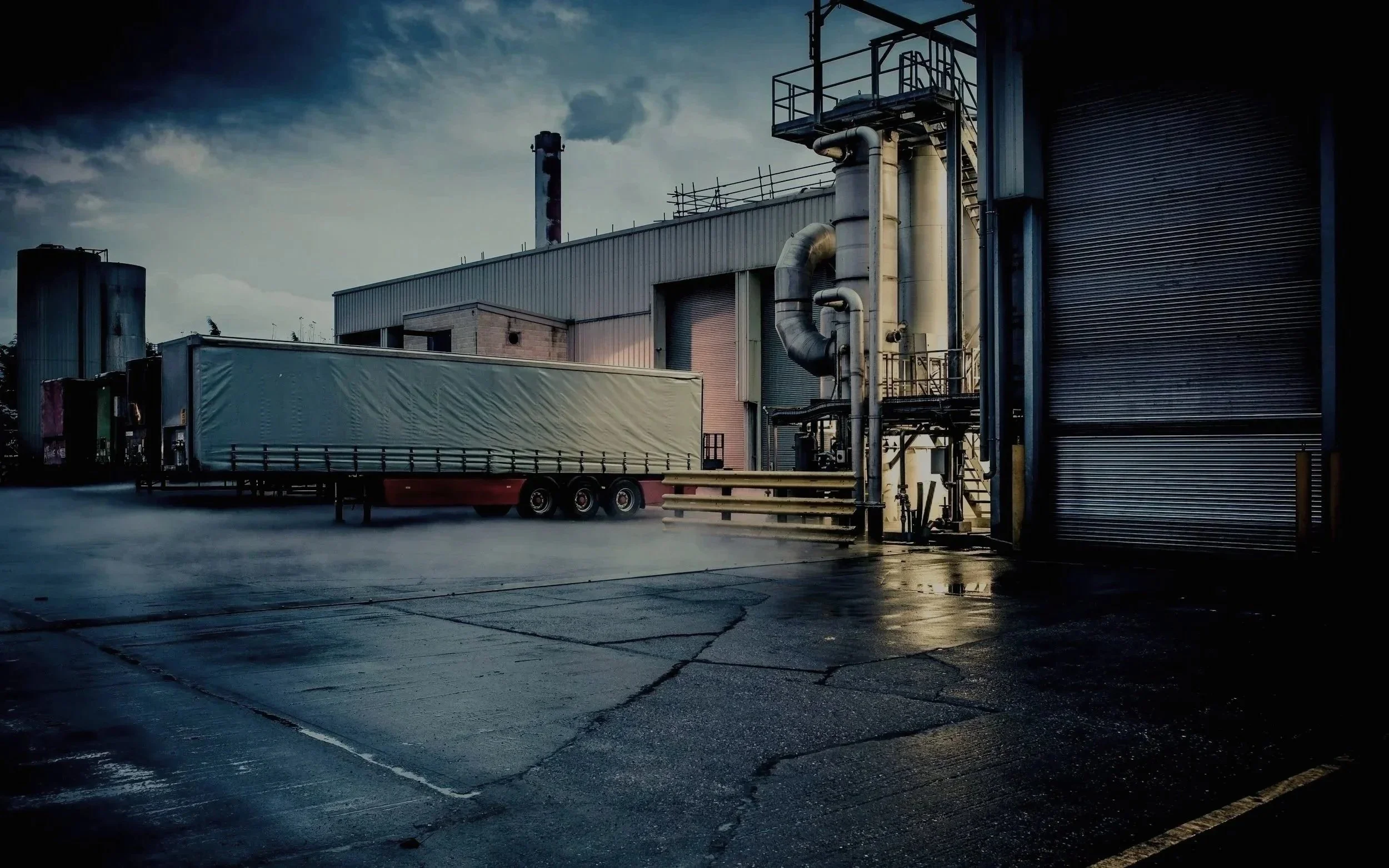
These warehouses and distribution centers generate large amounts of diesel pollution from both truck traffic and on-site equipment like yard tractors and cargo cranes. This pollution increases the risk of serious health problems, including asthma, heart attacks, cancer, and even early death for warehouse workers and nearby residents.
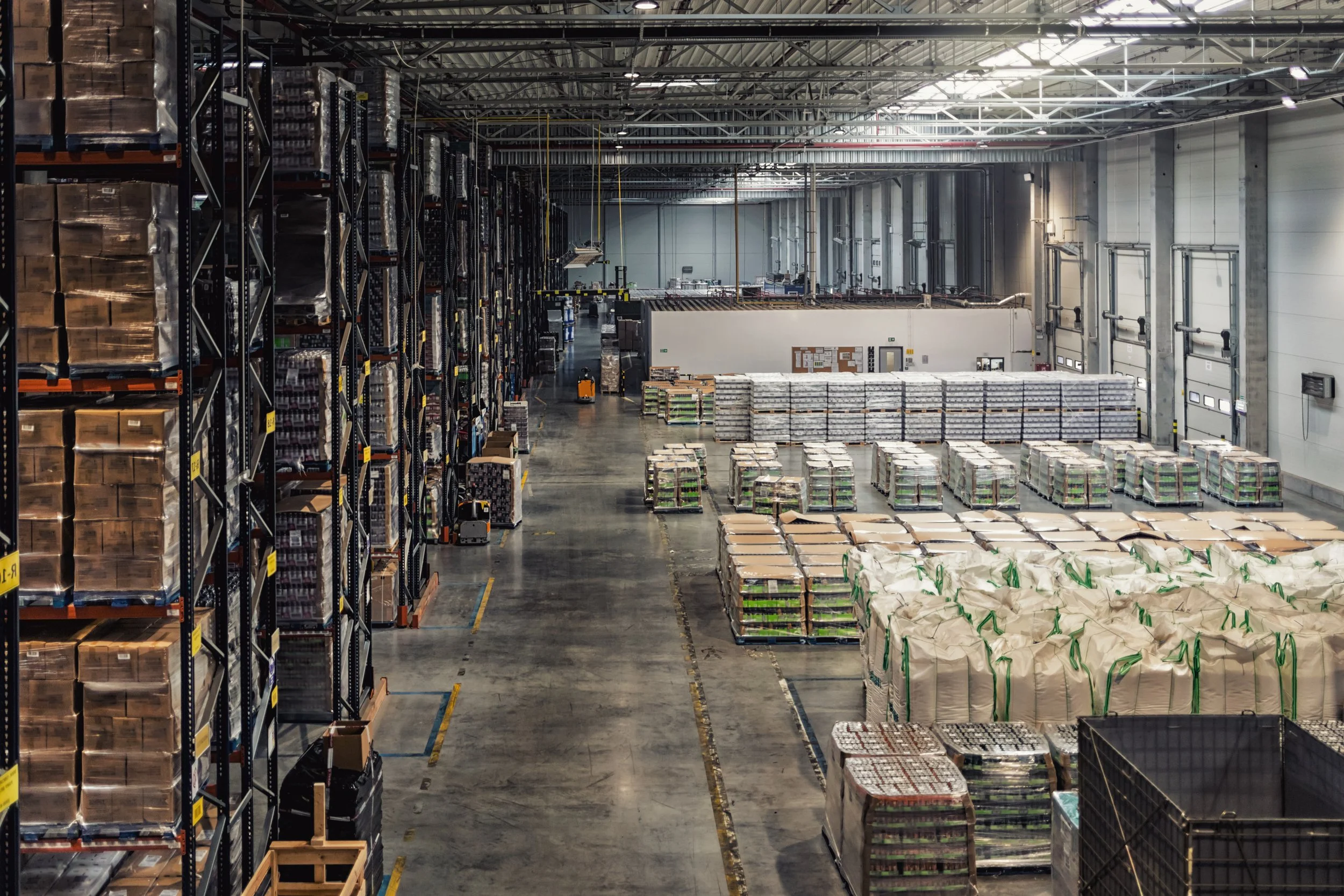
Due to the e-commerce boom resulting from more online shopping, more than 1 in 4 people in Illinois — 3.7 million people — now live within one-half mile of the 6,970 warehouses that are 30,000 square feet and larger, which generate at least an estimated total of 683,000 truck trips each day.

How many trucks are in my neighborhood?
Center for Neighborhood Technology and the Little Village Environmental Justice Organization collected data from various intersections and cross streets to count the number of trucks and buses moving through Chicago in a 24-hour period in 2023, with additional locations in 2025
2,736 trucks and buses were counted on Pulaski Rd & W 31st St
5,159 trucks and buses were counted on Pulaski Rd & 41st St
4,381 trucks and buses were counted on Ashland Ave & Pershing Rd
This data supports the lived experience of many environmental justice communities (which are communities that face disproportionate impacts of pollution and other stressors) across the Chicagoland area.
How does air pollution from industry and trucks impact my health?
According to the American Lung Association’s “State of the Air” 2026 report, over 152 million people nationwide live in areas with unhealthy levels of ozone or particulate matter pollution, including nearly half of the nation’s kids. In Illinois, nearly every county with air pollution data received a failing grade for ozone (smog) pollution.
Nitrogen dioxide, a toxic pollutant released by diesel trucks that also contributes to the formation of ozone pollution, is 20% higher on average around warehouses and causes 7,200 new Illinois childhood asthma cases every year.
Particulate matter is a pollutant that, in 2026, is expected to kill over 400 people in Illinois (the sixth highest impact of all states), and is also found in diesel exhaust.
Warehouse workers are disproportionately impacted by diesel pollution. 85% of the state’s temporary workers in factories and warehouses are Black and Hispanic/Latino, despite the overall workforce being 35% non-white.
New and existing warehouses are disproportionately located in environmental justice communities made up of Black, brown, migrant, and low-wage working families, exposing entire generations of frontline residents to harmful and toxic pollution.
Environmental justice organizations across Chicago have come together to set up a data portal of real-time air monitoring where you can find information about the quality of air you breathe.